
Spring is a time of new life across our parks, neighbourhoods, and natural areas. As wildlife welcomes the next generation, it’s common to encounter young animals on their own. While this can be concerning, it’s important to remember that in many cases, this is a normal and essential part of how wild animals are raised.
Understanding when to step in and when to give space is one of the best ways we can support wildlife.
Deer: Why a Fawn May Be Alone
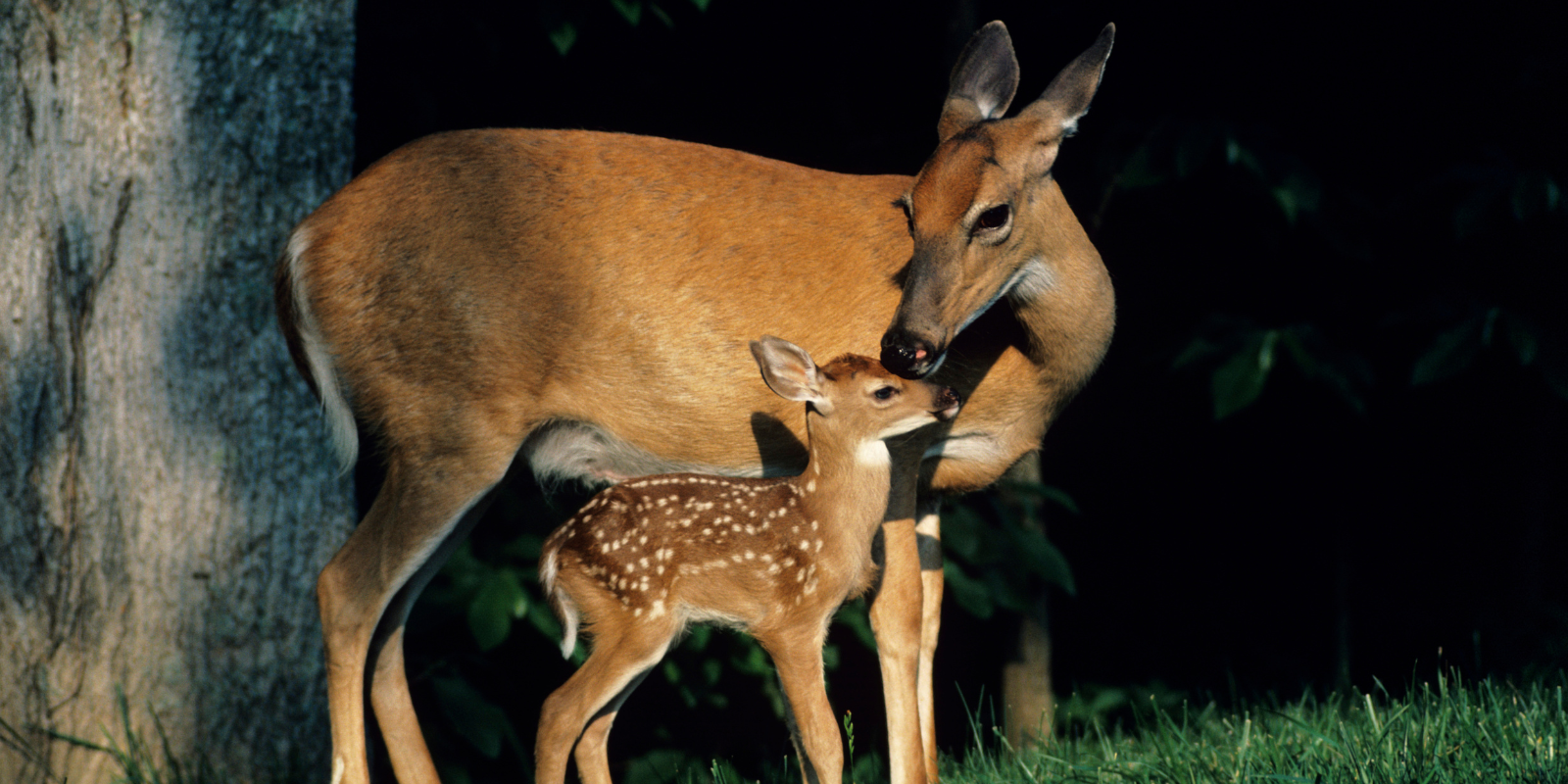
White-tailed deer fawns are often found lying quietly on their own, tucked into grass or brush. While it may appear that they’ve been abandoned, their mother is usually close by.
Mother deer visit their fawns only a few times a day to feed, staying away the rest of the time to avoid drawing predators to the area. These young animals are well adapted to remain still and hidden.
What you can do:
- Leave fawns where they are
- Keep your distance and avoid handling them
- Contact your local Conservation office only if the mother is confirmed to be deceased
Squirrels: Watch Before Acting
Baby squirrels may sometimes be found on the ground or outside their nest, especially after storms or strong winds. In many cases, the parent is nearby and will return to retrieve or care for them.
What you can do:
- Observe from a distance for several hours
- Keep the area quiet and free of pets
.jpg)
.png)
Rabbits: Hidden Nests in Unexpected Places
Eastern cottontail rabbits often nest right in our backyards—in gardens, lawns, and green spaces. Their nests are shallow and lined with fur, making them easy to miss.
It’s very common to discover a nest while mowing or raking.
What you can do:
- Check your yard for nests before mowing or yard work
- If you find a nest, avoid disturbing it and keep pets away
- If the babies are uninjured and the nest is intact, leave it as is
- Mother rabbits visit their nests only briefly, usually at dawn and dusk, to feed their young. Staying away helps keep the nest hidden from predators.
If a young rabbit is larger than a softball, it is likely independent and does not need help.
Birds: Knowing the Difference Between Nestlings and Fledglings
Spring and early summer often bring increased sightings of young birds. Understanding their development can help determine whether intervention is needed.
Nestlings (featherless or barely feathered)
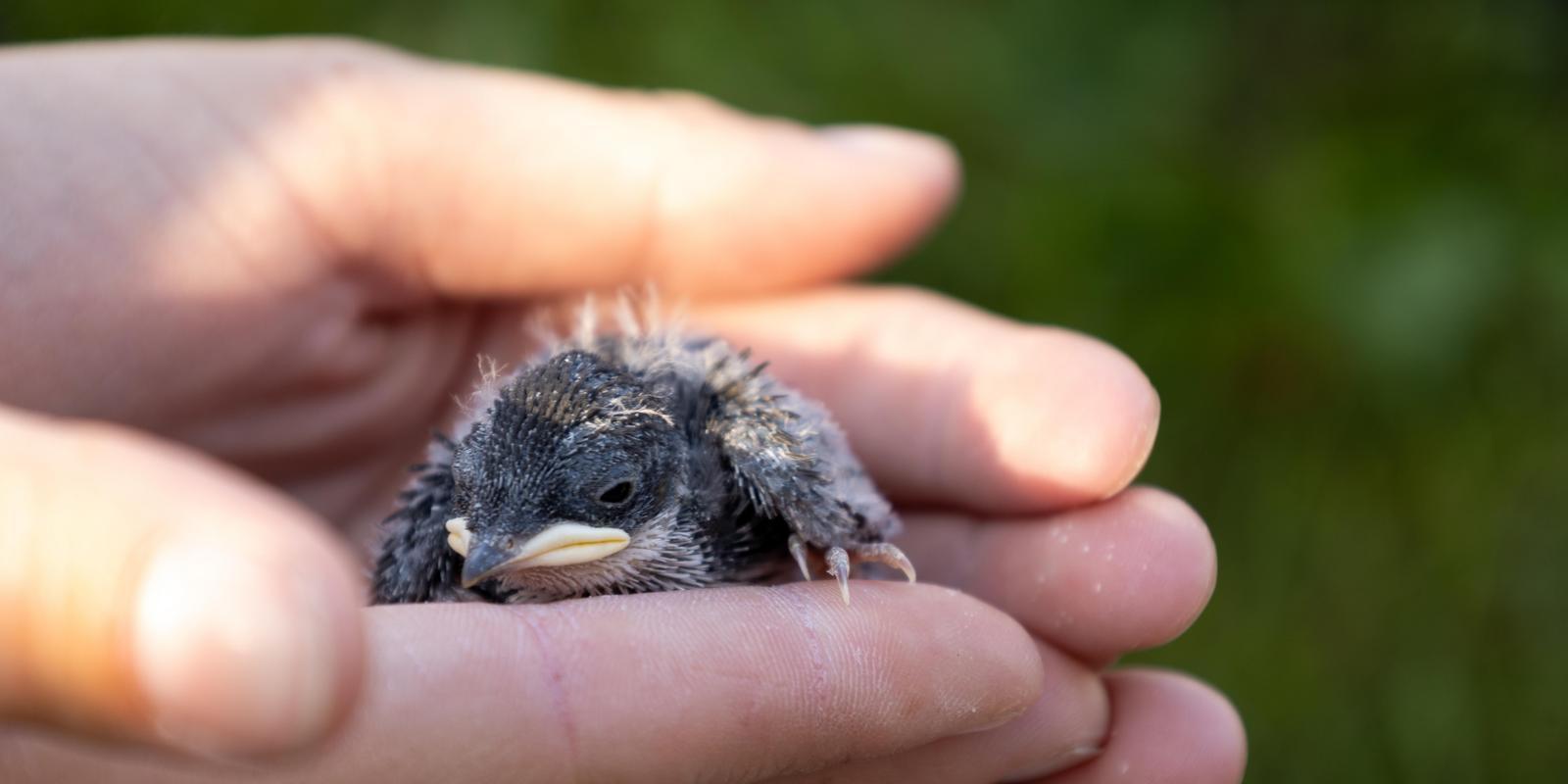
These young birds belong in the nest. If they’ve fallen out, they have the best chance of survival when reunited with their parents.
What you can do:
- Gently place the bird back in its nest, if possible
- If the nest is out of reach, create a simple substitute using a small container with drainage holes, lined with natural materials, and place it nearby
- It’s safe to handle baby birds; parents will not abandon them
- If the bird continues to be pushed out of the nest, it may need further care. In these cases, contact Wildlife Haven.
Fledglings (fully feathered, on the ground)
Fledglings are young birds that have left the nest but are still learning to fly. They often spend time on the ground as they practice movement and build strength.
Although they may appear vulnerable, their parents are typically close by and continue to feed them.
What you can do:
- Leave fledglings where they are
- Observe from a distance
- Only intervene if there are clear signs of injury, such as difficulty standing, visible wounds, or a drooping wing
When to Reach Out
If you find an injured or orphaned animal, call Wildlife Haven at 204-202-3806. Their trained staff and volunteers will advise you on whether the animal is eligible for care and what you should do next. Their phone lines are currently open from 9:00 a.m. to 5:00 p.m., seven days per week. More information can be found on their website.
Animals eligible for care may be dropped off at the Assiniboine Park Zoo Wildlife Rescue and Drop-off Centre daily from 9:00 a.m. – 4:00 p.m. Learn more.
Wildlife Haven does not accept skunks, raccoons, mice, wolves, bears, fish, invertebrates, or hooved animals such as deer, moose, or elk. Please contact Manitoba Conservation at 1-800-782-0076 if you find these species in need of care.
In many situations, young wildlife does not need our help, just our understanding. Wild mothers have adapted their behaviours to give their young the best chance of survival.
By giving space, keeping pets away, and observing from a distance, we can play a role in protecting these animals during an important stage of life.