
Every year, thousands of migratory birds pass through Winnipeg on their journeys between the breeding and the wintering grounds. Some birds will simply pass through Winnipeg, but others stay for the summer to raise their young right here in Assiniboine Park. Our conservation work aims to improve habitat quality for birds that spend the summer here or are just passing through!
For World Migratory Bird Day, October 10, we’re looking at this summer’s bird conservation work during nesting season in the Park, from nest boxes to fledglings to the thousands of dots installed on windows to help prevent bird collisions.
Here’s what this year looked like by the numbers.
23 Nest Structures Occupied
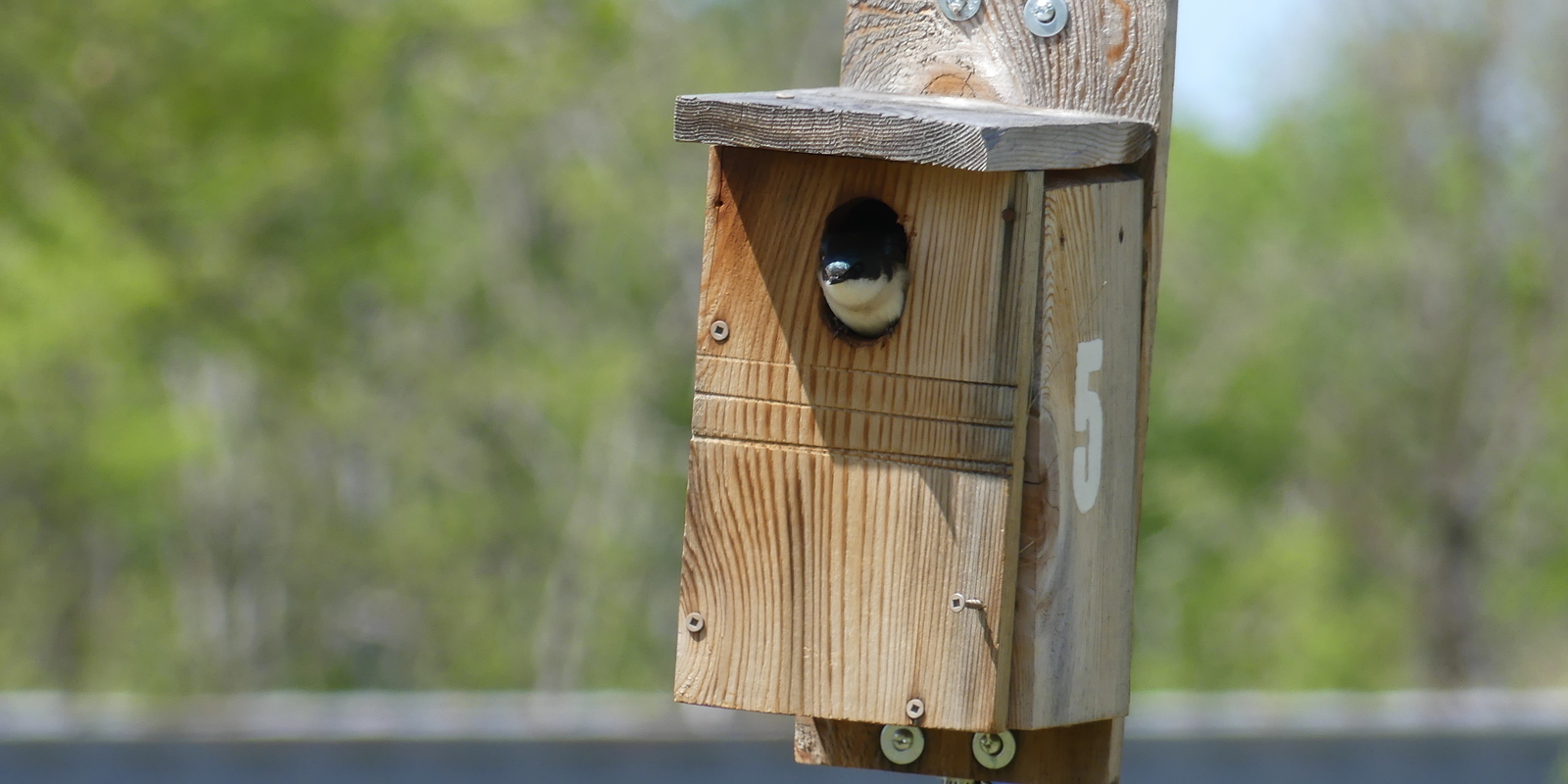
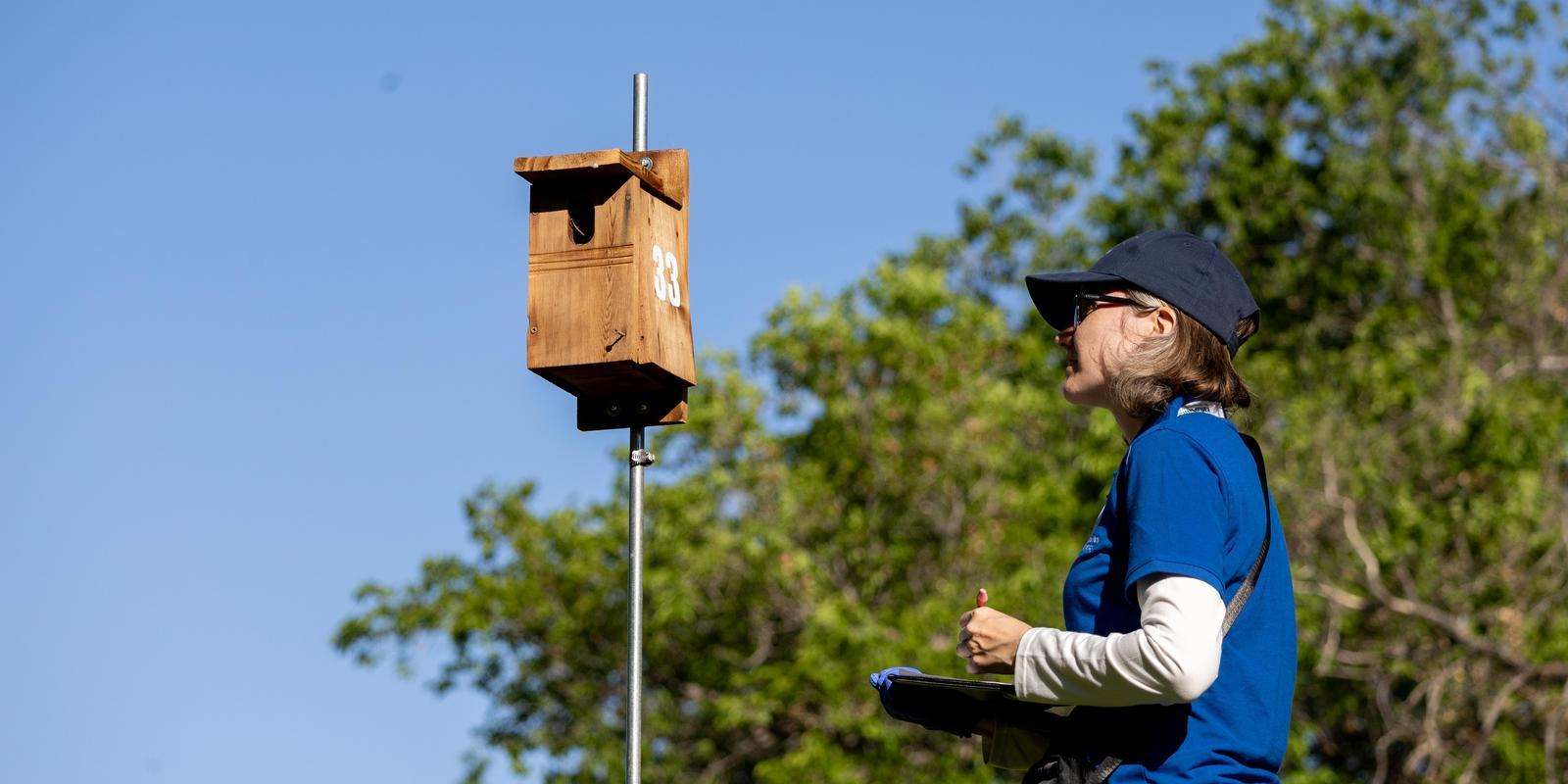
Throughout the Park and Zoo, we install and maintain artificial nesting structures that provide birds with safe places to raise their young. This year, 23 nest structures were occupied! This included 21 nest boxes, 1 Purple Martin condo, and 1 Chimney Swift tower.
These structures are part of our work to support the diversity of wild bird species that use the Park’s habitats. The nesting structures are monitored throughout the spring and summer, giving us an opportunity to document which species are using them, how successful nesting attempts are, and how many young birds fledge from the nest.
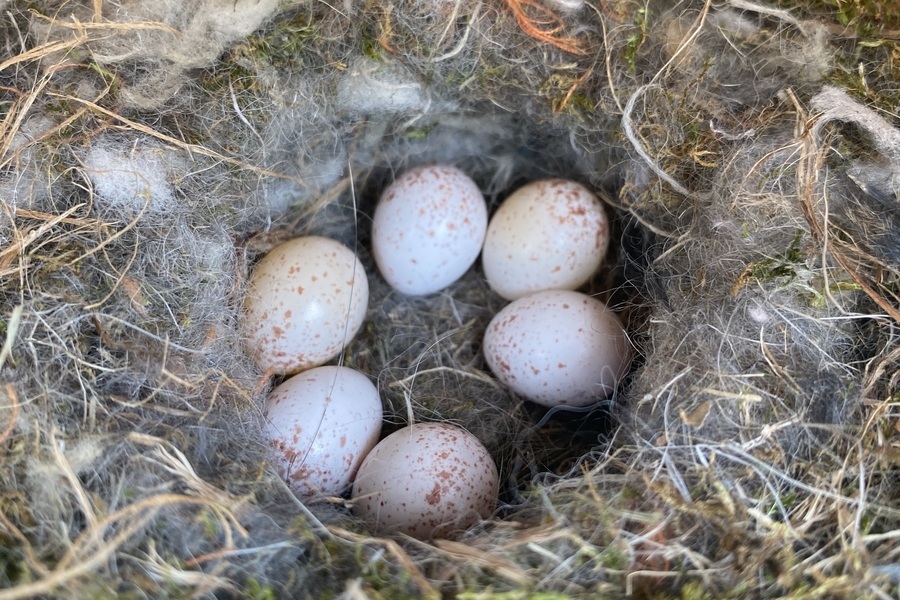
Nest in a nest box located in the Park
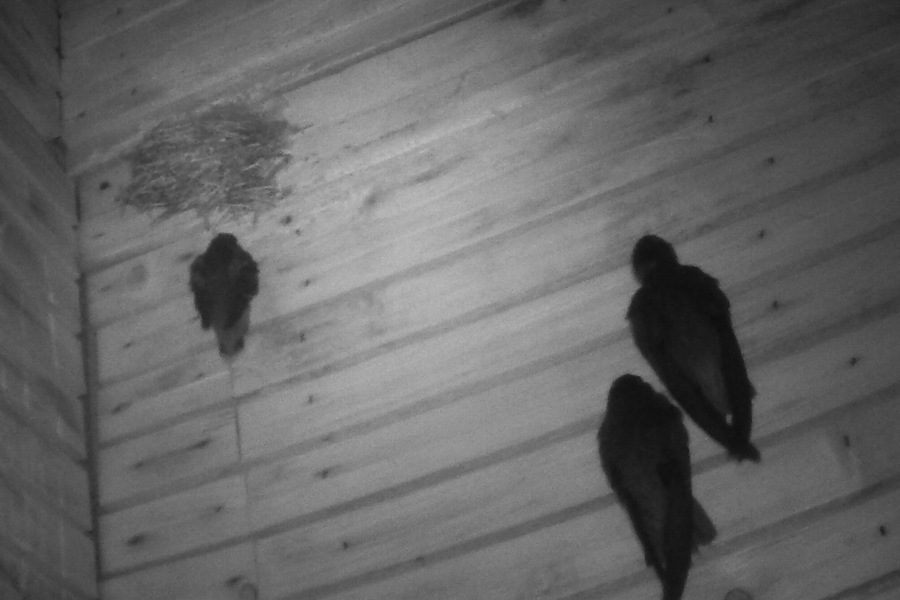
Chimney Swift tower
6 Species used the Nest Structures
This year, we documented Tree Swallows, Eastern Bluebirds, Black-capped Chickadees, and House Wrens using the nest boxes we installed. The Purple Martin condo was occupied by a family of Purple Martins, and the Chimney Swift tower (for the 8th consecutive year) was occupied by Chimney Swifts!
Each species has different nesting requirements, so providing a variety of artificial nest structures in different habitat types supports a greater diversity of birds across the Park and Zoo.
About 68 Chicks Fledged
One of the most exciting numbers of the season: approximately 68 birds fledged from the monitored nesting structures. While this year's number is an estimate, the total gives us a glimpse at just how much activity can happen in a nest box over the course of a breeding season.
Once young birds leave the nest, they become part of the larger bird population moving through and living in the Park, preparing for winter or the challenging migration season ahead. This is why improving habitat for birds in the park is so important!
14,400 Dots Installed on Windows
Collisions with windows are a significant threat to birds, particularly during migration, and an estimated 1 – 5 billion birds die in North America every year from colliding with glass. Windows can reflect vegetation or look like a clear flight path, and can be fatal if a bird flies into it at full speed.
Breaking up the reflection on glass can prevent this from happening, which is why you'll see small dots on windows throughout the Park and Zoo. These patterns make the glass easier for birds to see.
This year, our team installed approximately 36 square metres (390 square feet) of new bird-window mitigation or roughly 14,400 individual dots, in addition to previous window treatments. You may have seen these on the Lyric Field washrooms or the Arctic Fox habitat at the Zoo!
These installations make a measurable difference in reducing bird-window collisions, which we have monitored across the Park for 14 years. This year, at the Leatherdale International Polar Bear Conservation Centre (which we treated with new mitigation in 2025) there were zero recorded collisions.
.jpg)
Bird-window mitigation on polar bear habitat windows
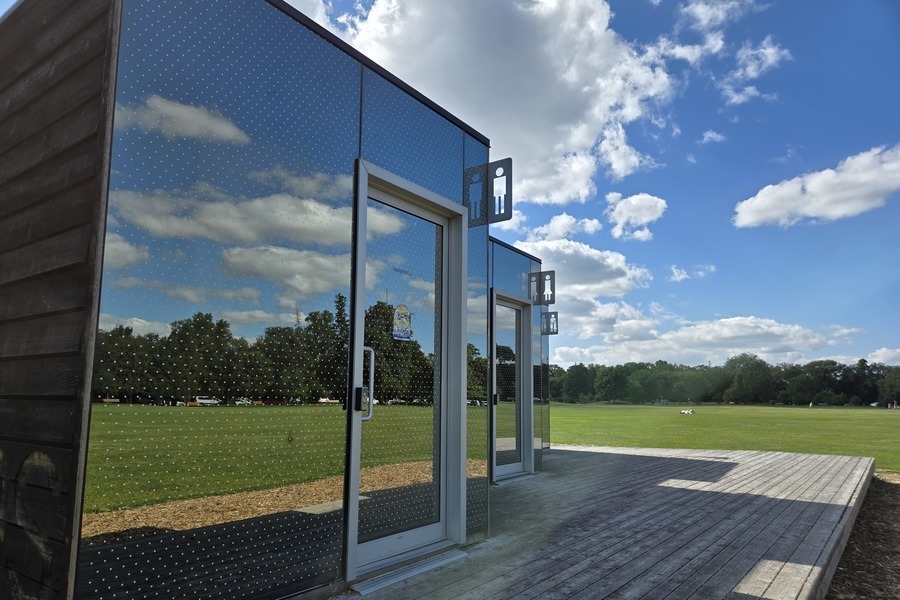
New mitigation installed on Lyric Field washrooms
12 Birds Banded
We collaborate with the Avian Behaviour and Conservation lab at the University of Manitoba to learn more about the birds that nest in the Park. This year, we banded 12 birds, including nestlings from one Eastern Bluebird nest and one Tree Swallow nest.
Bird banding gives researchers a way to identify individual birds and learn more about their movements, survival, and return to breeding sites. Since 2019, our team has banded 67 birds in partnership with the UofM, helping contribute to a broader understanding of migratory birds.
Why It Matters
Assiniboine Park is an important urban green space, providing habitat for birds and other wildlife in the middle of Winnipeg. Over 160 bird species have been recorded using the Park! We want to provide birds with the best chance of survival before they enter migration or overwintering. These efforts are part of our involvement in the Association of Zoos and Aquariums’ SAFE (Saving Animals from Extinction): North American Songbirds program and our broader commitment to protecting urban biodiversity.

How to Help
Creating safer habitats for birds is important beyond Assiniboine Park, and everyone has the chance to help. Here are some simple ways you can help birds during migration:
1. Make your windows bird-friendly
You can add dots, lines or other patterns to the outside of your windows using washable chalk markers or soap. If you're using a pattern, keep markings no more than 5 centimetres apart so that even small birds can recognize the glass as a barrier.
If you cannot access the outside of your windows, moving indoor plants away from windows and closing blinds and curtains during migration season can help reduce collision rates too.
2. Turn off unnecessary lights at night
Artificial light can disorient migrating birds as they travel through urban areas. Turning off unnecessary indoor and outdoor lights at night, particularly during Spring and Fall migration, is a simple way to help.
3. Participate in community science
You can help researchers learn more about birds by documenting the birds you see through platforms/apps like eBird, iNaturalist, or by reporting bird-window collisions through the Global Bird Collision Mapper.
4. Keep cats indoors
One of the leading causes of bird mortality in Canada is outdoor domestic cats, accounting for more than 100 and 350 million bird deaths each year in Canada alone. Because domestic cats are not native wildlife, allowing them to roam outdoors has many negative impacts on birds and other wildlife populations. By keeping your cat indoors, or only allowing them outdoors in a controlled environment (e.g. using a leash and harness, or within a fenced “Catio”), you can help protect native wildlife and keep your cat safe!
5. Improve habitat for birds by planting native plants and by reducing pesticide use
Birds rely on trees and other plants for food, shelter, and nesting sites during migration and breeding season. As natural areas are replaced by lawns, pavement, and other developed spaces, birds have fewer places to rest and raise their young. Planting native species in your yard can help restore essential food and shelter.
You can also help by reducing pesticide use. Common products used to control weeds can harm birds directly if they consume contaminated food and indirectly by reducing the insects they depend on.
6. And perhaps the easiest thing you can do: spread the word.
The more people who understand the challenges migratory birds face and the simple steps we can take to help them navigate urban landscapes, the more birds will complete their migrations.
The threats birds face are serious but are also very solvable! By taking small actions at your home, school, or workplace, you can make a large difference to birds during the migration season.